
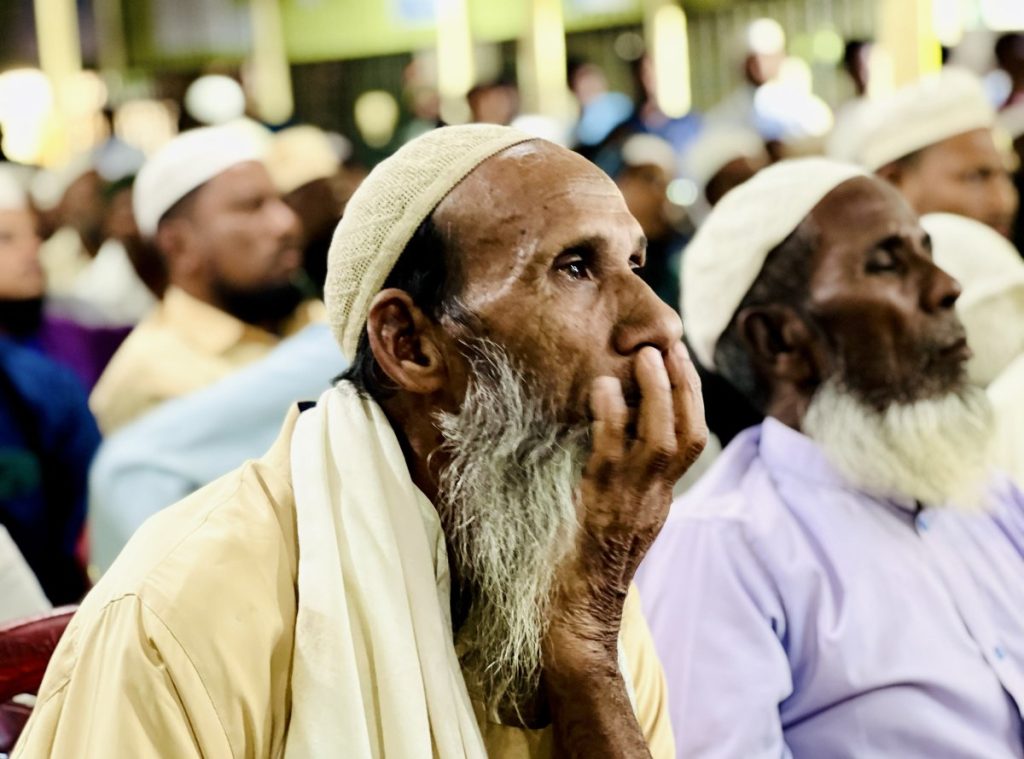
The Rohingya people, an ethnic minority of over one million, face a profound and ongoing human rights crisis. Defined by a rich history yet systematically denied a state, their story is one of immense hardship, cultural resilience, and an enduring struggle for justice. This guide provides a comprehensive overview of their history, the legal framework of their statelessness, and the current realities of their displacement across the globe.
Table of Contents
- Who are the Rohingya People? Understanding Identity and Origins
- The Architecture of Statelessness: Legal Challenges and Human Rights
- The Global Displacement Crisis: Life in Exile in 2026
- Beyond the Crisis: Preserving Rohingya Culture and Heritage
- How You Can Take Action Today
Who are the Rohingya People? Understanding Identity and Origins
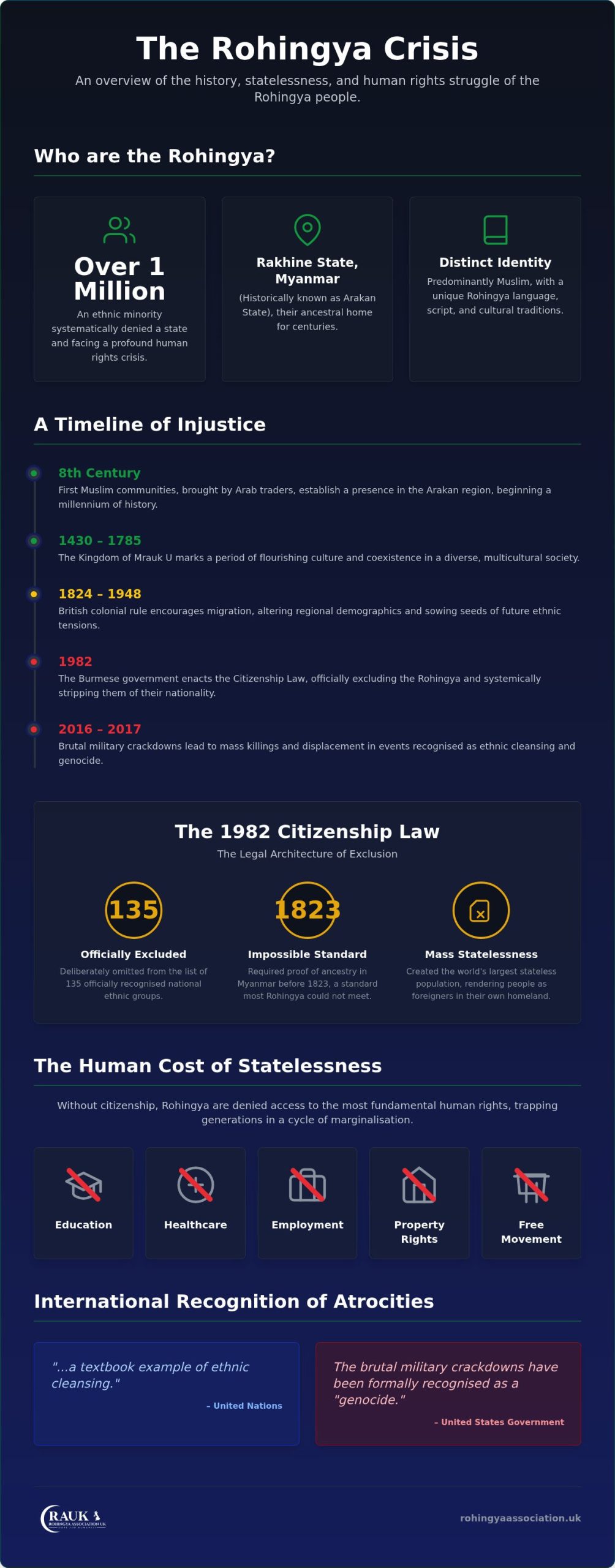
The Rohingya are an Indo-Aryan ethnic group who have resided for centuries in what is now Rakhine State, Myanmar. Predominantly Muslim, their identity is deeply intertwined with the land they consider their ancestral home. Their name reflects that land too: what “Rohingya” means traces back to Rohang, an older name for Arakan. Historically, Rakhine State was known as Arakan State, a region with a long history as an independent kingdom and a crossroads of cultures. The arrival of Islam in the region, facilitated by Arab traders as early as the 8th century, led to a unique synthesis of traditions that flourished, particularly during the Kingdom of Mrauk U (1430-1785).
This history is central to the Rohingya claim to indigenous status, a claim that has been systematically erased by successive Burmese governments. Understanding their deep roots is the first step in comprehending the injustice of their current statelessness.
The Historical Roots in Arakan State
The presence of Muslim communities in the Arakan region is a matter of historical record, dating back over a millennium. For centuries, the Rohingya were an integral part of the diverse ethnic fabric of the region, living alongside the predominantly Buddhist Rakhine population. The dynamics of the region were significantly altered by external forces, most notably British colonial rule.
- Early Presence: Historical accounts trace Muslim communities in Arakan back to the 8th century, with a more established presence by the 15th century under the Kingdom of Mrauk U.
- Ethnic Diversity: Pre-colonial Arakan was a multicultural society where different ethnic and religious groups coexisted.
- British Colonial Influence: During the British colonial era (1824-1948), migration patterns shifted. The British administration encouraged labourers from the Indian subcontinent to move to Burma, which altered regional demographics and, in later years, was used by nationalist movements to frame the Rohingya as foreign interlopers.
Language and Ethnic Identity
The Rohingya identity is fortified by distinct cultural markers that differentiate them from other groups in Myanmar. Their language, cultural practices, and shared historical narrative form the bedrock of their community. This unique identity has been a primary target of state-sponsored persecution aimed at erasing their presence from the nation’s history.
- The Rohingya Language: The Rohingya language is an Eastern Indo-Aryan language, closely related to the Chittagonian dialect spoken in neighbouring Bangladesh. However, it possesses its own unique script and literary tradition, distinguishing it as a separate linguistic entity.
- Distinct Cultural Markers: Beyond language, Rohingya culture is expressed through unique traditions in cuisine, music, and religious observance, setting them apart from both the Bamar majority and other ethnic groups in Rakhine State.
- The Name ‘Rohingya’: The term ‘Rohingya’ itself is a powerful assertion of identity and a claim to ancestral belonging in Rohang, an early name for Arakan. The Myanmar government’s refusal to use the name is a deliberate act of political erasure.
The Architecture of Statelessness: Legal Challenges and Human Rights
The persecution of the Rohingya people was systematically codified into law, creating a legal architecture of exclusion that has rendered them one of the world’s largest stateless populations. This process culminated in the 1982 Citizenship Law, a piece of legislation that effectively stripped them of their nationality and paved the way for decades of severe human rights violations. Statelessness is not merely a legal status; it is a mechanism for denying access to fundamental rights, including education, healthcare, employment, and freedom of movement, trapping generations in a cycle of marginalisation and vulnerability.
The violence that followed, particularly the brutal military crackdowns in 2016 and 2017, was the direct result of this state-sponsored dehumanisation. These events have been described by the United Nations as a "textbook example of ethnic cleansing" and formally recognised by the United States as a genocide.
The 1982 Citizenship Law and its Legacy
The 1982 Citizenship Law is the cornerstone of the Rohingya’s statelessness. It established three categories of citizenship- full, associate, and naturalised and deliberately omitted the Rohingya from the list of 135 officially recognised national ethnic groups. This act retroactively rendered hundreds of thousands of people as foreigners in their own homeland.
- Exclusion by Design: The law was specifically designed to exclude the Rohingya by requiring proof of ancestry in Myanmar before 1823, a standard impossible for most to meet, particularly for a community whose records were often oral or had been destroyed.
- The Toll of Statelessness: As the world’s largest stateless population, the Rohingya face immense psychological and physical burdens. Without citizenship, they cannot legally own land, access higher education, hold civil service jobs, or travel freely. The 1982 Law’s impact on property rights was devastating, effectively legalising the confiscation of Rohingya land and homes.
The Path to Justice and Accountability
In the face of these grave injustices, a global movement for accountability has gained momentum. International legal bodies and human rights organisations are working to ensure that the perpetrators of violence against the Rohingya people are held responsible. This pursuit of justice is a critical component of restoring the rights and dignity of the community.
- International Recognition of Atrocities: The gravity of the situation has been acknowledged at the highest levels. The United Nations has labelled the military’s actions a "textbook example of ethnic cleansing," and in March 2022, the United States government formally declared that the violence committed against the Rohingya amounts to genocide.
- Legal Proceedings: The International Court of Justice (ICJ) is currently hearing a case brought by The Gambia against Myanmar, accusing the state of violating the Genocide Convention. This represents a landmark effort to achieve state-level accountability.
- Global Advocacy: The restoration of Rohingya rights depends heavily on sustained global advocacy. You can learn more about the ongoing efforts and legal trends in the struggle for justice for Rohingya people.
The Global Displacement Crisis: Life in Exile in 2026
The genocidal violence of 2017 forced over 740,000 Rohingya to flee Myanmar in a matter of months, creating one of the fastest-growing refugee crises in modern history. Today, the Rohingya diaspora is spread across the globe, with each community facing a unique set of challenges. From the sprawling camps in Bangladesh to the precarious urban existence in Malaysia and the long process of resettlement in the UK, the struggle for safety and stability continues far from their ancestral homeland.
Cox’s Bazar: The World’s Largest Refugee Settlement
The majority of Rohingya refugees, approximately 1.2 million people, reside in a network of camps in Cox’s Bazar, Bangladesh. This settlement has become the largest of its kind in the world, a densely populated area where life is defined by humanitarian dependence and immense daily challenges.
- Daily Challenges: Residents face significant risks, including monsoon floods, fires, inadequate sanitation, and limited access to healthcare and formal education. Livelihood opportunities are scarce, leaving families entirely reliant on aid.
- Community Resilience: Despite the harsh conditions, the Rohingya community demonstrates incredible resilience. Community-led initiatives provide informal education for children, and cultural traditions are kept alive as a source of strength and identity. For a deeper understanding of daily life, explore our guide to what goes on inside the Rohingya refugee camp.
- International Support: The survival of the camps depends on the international community. Rohingya Association UK provides vital assistance through its partners, and you can directly support our Bangladesh projects to deliver essential aid.
Navigating Legal Status in Malaysia and the UK
Beyond Bangladesh, significant Rohingya populations have sought refuge in countries like Malaysia and the United Kingdom. In Malaysia, over 126,000 registered Rohingya refugees navigate a complex legal landscape. Historically, many held documentation from the UNHCR, but the Malaysian government is transitioning to its own system, the Dokumen Pendaftaran Pelarian (DPP), creating uncertainty. Without legal status to work, many are forced into informal labour, facing exploitation.
In the UK, small but established Rohingya communities, particularly in cities like Bradford, are rebuilding their lives. Resettled families face the dual challenge of healing from trauma whilst integrating into a new society. Local charities like Rohingya Association UK play a crucial role, providing community support for displaced families, including housing guidance, language classes, and youth empowerment programmes.
Beyond Borders: The Forgotten Diaspora in Asia and the Middle East
Whilst Bangladesh and Malaysia host the largest numbers, thousands of other Rohingya live in deeply precarious situations across Asia and the Middle East, often overlooked by mainstream media. Their suffering is compounded by a lack of legal recognition and protection.
- India, Thailand, and Indonesia: Significant numbers of Rohingya refugees live in these countries, often without official status. They face the constant threat of detention and deportation and are frequently caught in dangerous human trafficking networks while attempting perilous sea journeys.
- Saudi Arabia and the Middle East: A large population of Rohingya has lived in Saudi Arabia for decades, many arriving on Bangladeshi passports. However, they and their descendants often exist in a state of legal limbo, unable to secure permanent residency or citizenship, which severely restricts their access to stable employment and social services.
Beyond the Crisis: Preserving Rohingya Culture and Heritage
For the Rohingya people, survival is not just a matter of physical safety but also of cultural preservation. In the face of systematic attempts to erase their identity, maintaining their language, faith, and traditions has become an act of profound resistance and resilience. In diaspora communities from Bradford to Cox’s Bazar, cultural and religious practices are the threads that bind people together, offering a sense of continuity and belonging in a world of displacement.
These efforts are vital for preventing social isolation and ensuring that the rich heritage of the Rohingya people is passed down to the next generation, providing them with a strong sense of self and a connection to their roots.
Faith and Community in the Diaspora
Islam is a central pillar of Rohingya identity, and faith-based practices provide spiritual comfort and a framework for community life. Mosques and community centres serve as vital hubs where people can gather, share experiences, and support one another. In the UK, for example, Islamic community events in Bradford are crucial for fostering a sense of belonging amongst resettled families.
This spiritual foundation also inspires acts of collective charity and support. For many, the ability to donate your Sadaqah Jariyah is a meaningful way to invest in the long-term well-being and future of the community, creating a legacy of continuous reward through projects that build schools or water systems.
Empowering the Next Generation
The future of the Rohingya people rests with their youth. For a generation born in exile or forced to flee at a young age, education and empowerment are the most powerful tools for breaking the cycle of poverty and statelessness. In the UK and elsewhere, the focus is on providing young Rohingya with the skills and confidence they need to thrive.
Organisations like Rohingya Association UK prioritise refugee youth empowerment programmes that offer mentorship, skills training, and educational support. Education is universally seen as the key to a brighter future, enabling young people to become advocates for their own community. Furthermore, the importance of English language classes for integration cannot be overstated, as they provide the essential communication skills needed to access employment, education, and public services in their new home.
How You Can Take Action Today
The story of the Rohingya people is one of systemic injustice, but it is also one of unwavering resilience. Change is possible, but it requires the principled action of a compassionate global community. Whether you are in Bradford or anywhere else in the world, there are meaningful ways to stand in solidarity with the Rohingya and support their journey towards justice, safety, and renewal.
Your informed awareness is a powerful tool for changing the narrative. By understanding the history and the current challenges, you can help advocate for a future where the Rohingya people are granted the rights and dignity they have long been denied.
Supporting Local and Global Initiatives
Direct support can have a transformative impact on the lives of Rohingya families, both in the UK and in the refugee camps abroad. Contributions to community-led organisations ensure that aid is delivered effectively and respectfully.
- Fund Vital Services: Your donations can fund everything from crisis intervention and healthcare access in Bangladesh to housing guidance and skills development for families resettling in the UK.
- Advocate for Justice: Support the ongoing work of Rohingya human rights advocacy to ensure that international pressure for accountability is maintained.
- Volunteer Your Time: If you are based in the UK, you can volunteer with Rohingya Association UK to help with local integration projects, community events, and administrative support.
A Call to Principled Action
The fight for Rohingya rights is a fight for universal human values. Your voice is a crucial part of the global chorus demanding justice and an end to impunity. By getting involved, you contribute to a future of hope and renewal for a people who have endured unimaginable loss.
Whether through donations, volunteering, or raising your voice in advocacy, your actions matter. You can help ensure the world does not forget the Rohingya people and support their unyielding efforts to build a future defined not by persecution, but by peace, dignity, and justice.