
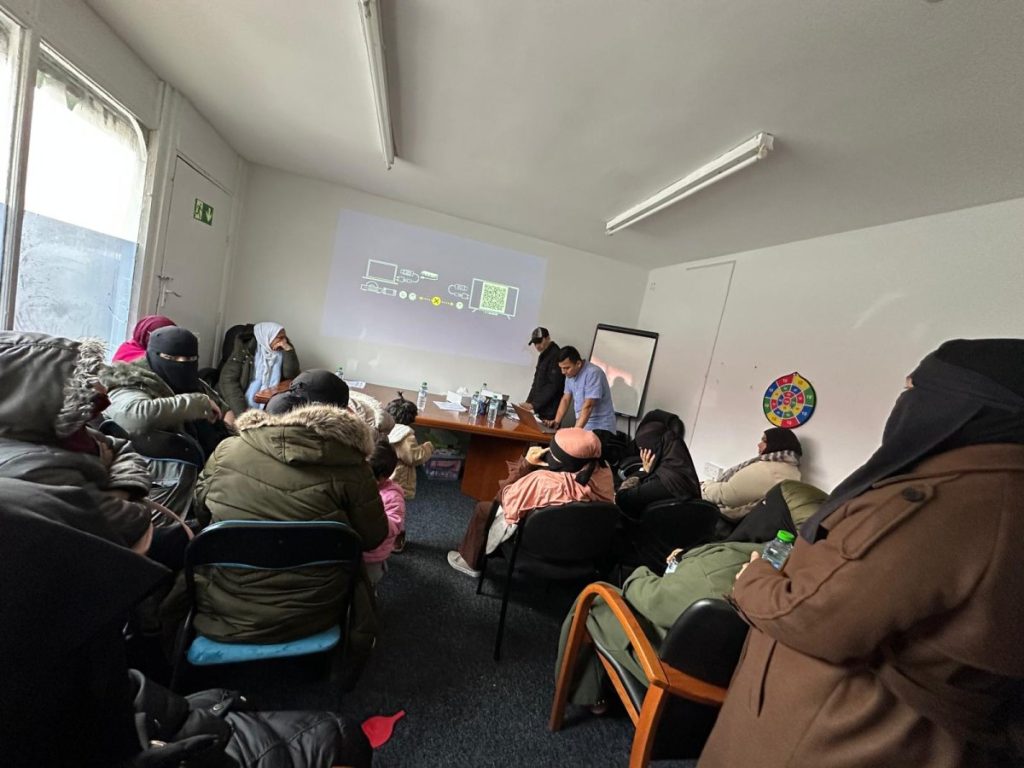
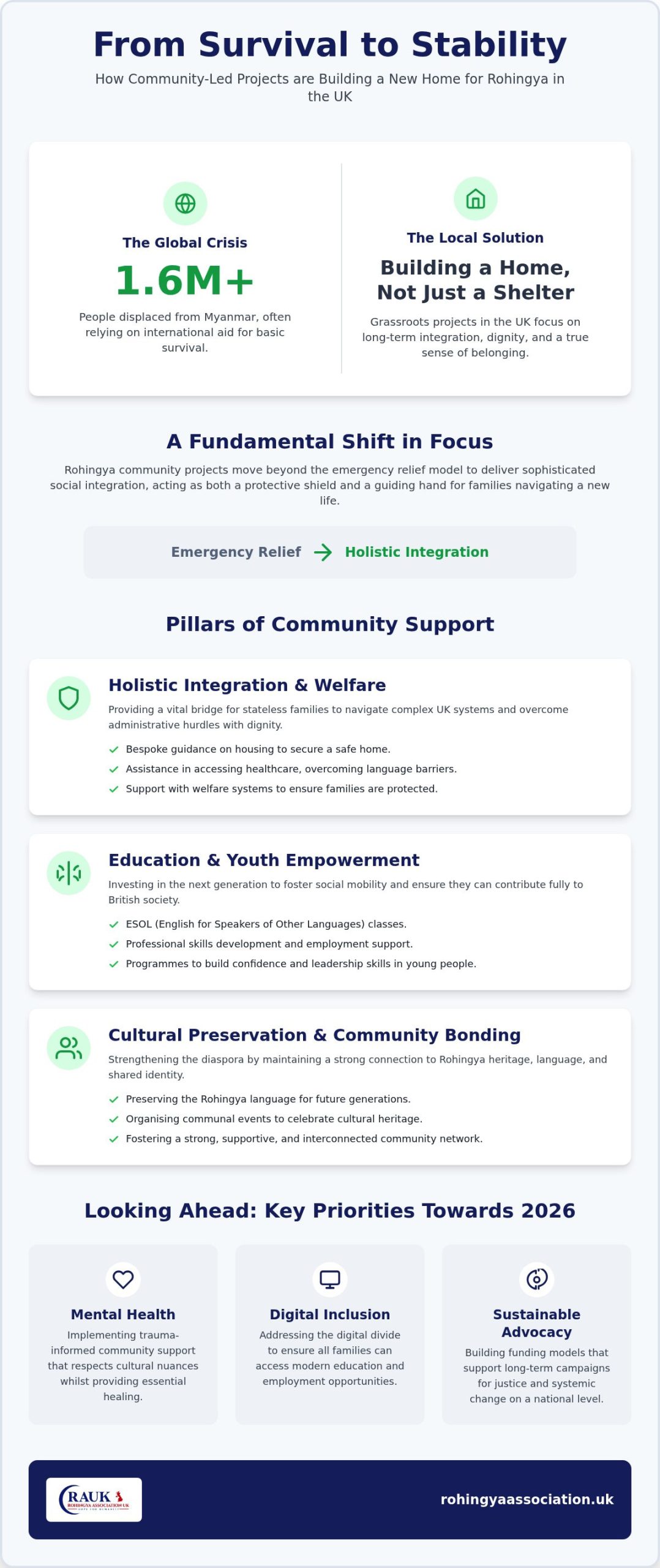
Whilst the global headlines often focus on the vast displacement of over 1.6 million people from Myanmar, the real story of renewal is quietly unfolding within the streets of Bradford and across the country. It’s understandable to feel overwhelmed by the scale of the crisis or confused about how local efforts differ from international humanitarian aid. You likely recognise that whilst global funding provides essential survival, it’s the grassroots work that truly builds a home. In a landscape of shifting legislation, such as the 2026 move toward temporary protection periods, the impact of Rohingya community projects UK has never been more vital for those seeking stability.
This article invites you to discover how community-led projects across the UK are transforming the lives of Rohingya refugees through education, integration, and heritage preservation. We will examine the scope of these initiatives, provide clarity on how to support stateless families effectively, and highlight the tangible successes of those reclaiming their agency in a new land. By understanding these local frameworks, you can identify meaningful ways to volunteer or donate, ensuring that your contribution fosters long-term restoration, protection, and growth for a resilient diaspora.
Key Takeaways
- Understand the transition from emergency relief to sustainable social integration, focusing on how the diaspora builds a lasting sense of belonging within British society.
- Learn how tailored guidance in housing and healthcare assists stateless families in navigating complex systems whilst overcoming linguistic and cultural barriers.
- Discover the role of Rohingya community projects UK in fostering social mobility through ESOL classes and professional skills development for the next generation.
- Explore how preserving the Rohingya language and heritage through communal events strengthens the bond of the diaspora and maintains cultural identity.
- Identify practical ways to support registered organisations like RAUK through local volunteering or the strategic use of Zakat to empower those seeking a new beginning.
The Landscape of Rohingya Community Projects in the UK
The term Rohingya community projects UK describes a vital ecosystem of initiatives designed by and for the diaspora to foster a profound sense of belonging. Unlike international aid packages that focus on survival in overseas camps, these local efforts prioritise the long-term dignity of families settled within Burmese communities in the United Kingdom. Bradford has emerged as a central hub for this work, acting as a city where cultural heritage and British civic life intersect. This geographic focus provides a stable foundation for those who have faced decades of statelessness and are now seeking a permanent sense of home.
To better understand the scale of the international response that informs this local context, watch this report on UK aid commitments:
Trust is the currency of effective integration. Generic government services often struggle to bridge the gap between policy and personhood; however, Rohingya community projects UK succeed because they operate as both a protective shield and a guiding hand. They’ve shifted the focus from mere emergency relief to a sophisticated model of social integration. This transition ensures that refugees aren’t just surviving on the margins but are actively contributing to the fabric of British society through professional growth and civic participation.
The Evolution of Local Support
The journey from initial resettlement to the establishment of dedicated centres, such as the Rohingya Association UK (RAUK) in Bradford, reflects a remarkable trajectory of resilience. Local charities often act as the primary responders, filling critical gaps left by national welfare services that may lack cultural nuance. By centering “lived experience” in the design of integration programmes, these organisations ensure that support is relevant and respectful. It’s about moving beyond a distant benefactor model toward a partnership of equals where the community’s voice leads the way.
Key Focus Areas for 2026
As we look toward the challenges of 2026, the priorities of community leaders have become increasingly precise. The focus has moved toward creating sustainable structures that can withstand shifting political landscapes. Key priorities include:
- Mental Health: Implementing trauma-informed community support that respects cultural stigmas whilst providing essential healing.
- Digital Inclusion: Addressing the digital divide to ensure displaced families can access modern education and employment opportunities.
- Sustainable Advocacy: Building funding models that support long-term campaigns for justice and systemic change.
These focus areas demonstrate a commitment to holistic growth. By addressing both the psychological and practical needs of the diaspora, community-led initiatives ensure that the possibility of renewal becomes a lived reality for every family.
Holistic Integration: Housing, Healthcare, and Welfare Initiatives
Statelessness brings a unique set of administrative hurdles that can feel insurmountable without a dedicated partner. For many, the transition to the UK involves more than just physical relocation; it requires a complete reconstruction of one’s legal and social identity. Rohingya community projects UK serve as a vital bridge between these vulnerable families and the rigid structures of local authority systems. By providing bespoke guidance, these initiatives ensure that the basic human rights of safety, health, and dignity aren’t lost in translation.
Refugee Housing Guidance UK
Finding a secure home is the first step toward restoration. However, the UK housing market is notoriously difficult to navigate, especially for those with no previous credit history or local references. Community-led programmes assist families in understanding complex tenancy agreements and social housing applications. They also act as a vital intermediary, working with landlords to reduce discrimination and build trust. For a step-by-step breakdown of this process, you can access our refugee housing guidance UK. This support is particularly crucial given the UK government policy on Rohingya, which acknowledges the specific risks of persecution and statelessness that these families have escaped.
Removing Barriers to Healthcare
Accessing the NHS should be a straightforward right, yet language barriers and cultural stigmas often create invisible walls. Many Rohingya refugees carry deep-seated trauma that requires sensitive, trauma-informed care rather than a generic medical response. Rohingya community projects UK organise health workshops that explain patient rights, registration processes, and the importance of preventative care. Community navigators play an essential role here; they don’t just translate words, but they also provide the emotional reassurance needed to attend appointments and communicate symptoms effectively. This hands-on approach ensures that healthcare is a tool for empowerment rather than a source of anxiety.
Crisis intervention remains a necessity for newly arrived families, yet the ultimate goal is always long-term stability. This involves advocacy at the local council level to ensure fair treatment and access to welfare benefits that provide a safety net during the integration process. It’s about moving from a state of constant survival to a place of flourishing within the local community. If you wish to learn more about how we facilitate these transitions, you can explore our community support and integration programmes.
Education and Youth Empowerment: Investing in the Next Generation
Education serves as the ultimate catalyst for restoration, transforming the experience of displacement into a narrative of professional and social agency. For the Rohingya diaspora, the classroom is more than a place of study; it’s a space where the fragments of a disrupted life are gathered and rebuilt. Rohingya community projects UK recognise that whilst emergency aid preserves life, education empowers a future. By investing in the intellectual and vocational potential of the youth, these initiatives ensure that the community moves beyond the label of “refugee” to become active, skilled contributors to British society. It’s a journey from survival to success.
English Language Classes in Bradford
Proficiency in English is the primary gateway to social mobility and civic participation. In Bradford, ESOL classes are meticulously tailored to meet the specific linguistic needs of the community, acknowledging the oral traditions and unique dialects of the Rohingya people. These sessions do more than teach grammar; they create safe, dignified environments for women and elders to learn whilst building vital social bonds. Language proficiency directly impacts employment outcomes and integration, allowing individuals to communicate their needs, share their stories, and access the full range of opportunities available within their new home.
Youth Empowerment and Skills Training
The transition from resilience to professional success requires a bridge of practical skills and mentorship. Many young refugees possess the drive to succeed but lack the institutional knowledge to navigate the British education system or the UK job market. Specialised refugee youth empowerment programs address this by providing vocational training, digital literacy workshops, and one-to-one mentoring. These programmes help young adults identify their strengths, pursue higher education, and secure meaningful employment. By fostering digital inclusion, we ensure that the next generation isn’t left behind in an increasingly technological economy, but is instead equipped to lead within it.
True empowerment culminates in the ability to advocate for one’s own people. Organisations like the Burmese Rohingya Organisation UK (BROUK) have long championed the training of future leaders who can speak with authority on the global stage. By encouraging youth participation in local governance and community leadership roles, Rohingya community projects UK are cultivating a new vanguard of advocates. These young leaders are not just beneficiaries of support; they are the architects of change, fighting for justice, systemic reform, and the continued protection of their heritage. This cycle of mentorship and leadership ensures that the diaspora remains a resilient, self-sustaining force for generations to come.
Cultural Preservation and Community Bonding Projects
For a stateless people, culture is the only territory that cannot be seized or occupied. It is the silent heartbeat of Rohingya community projects UK, providing a sense of continuity for those whose histories have been systematically threatened. Heritage preservation is not merely an act of nostalgia; it is a vital tool for restoration, protection, and growth. By maintaining the Rohingya language and traditions, the diaspora ensures that the younger generation possesses a stable foundation of self-worth. Art and storytelling projects further this mission, giving a dignified voice to the stateless experience whilst allowing individuals to reclaim their narrative from the narrow lens of humanitarian crisis.
Cultural Events in Bradford
Bradford has become a vibrant stage for cultural renewal, where the celebration of traditional festivals maintains a vital link to the past. These gatherings serve a dual purpose: they foster internal communal bonds and educate the wider British public about the rich history of the Rohingya people. The psychological benefits of these events are profound. Displacement often brings a sense of fractured identity; however, communal celebrations offer a space for healing and shared joy. These projects facilitate a collective sense of agency, ensuring that the community remains visible, proud, and deeply rooted in its heritage.
Islamic Community Initiatives
Faith remains a steadfast pillar of resilience, acting as both a spiritual anchor and a social catalyst. Islamic centres within the UK are not just places of worship; they are essential hubs for community support and guidance. These initiatives provide religious education that respects specific Rohingya traditions whilst simultaneously facilitating integration into the broader British Muslim fabric. By connecting with local mosques and faith-based networks, the community finds a ready-made structure of solidarity and mutual aid. This environment helps develop principled leaders who can bridge the gap between traditional values and the complexities of modern UK life. Faith-based projects ensure that the communal bond remains unbreakable, providing the moral seriousness and resilient optimism needed to thrive in a new land.
Preserving a culture requires active participation and a commitment to shared identity. To learn more about how we foster these vital connections, you can support our cultural and community events.
Supporting the Mission: How to Engage with Rohingya Projects
Engaging with Rohingya community projects UK is an invitation to participate in a profound act of restoration. Whilst global aid provides a vital safety net for those in overseas camps, local engagement ensures that families settled in Britain can truly flourish within their new environments. Identifying trustworthy, community-led organisations like the Rohingya Association UK (RAUK) allows supporters to see the direct, tangible impact of their contributions. As a registered charity (No. 1211433), RAUK offers a transparent pathway for those who wish to move beyond passive observation toward active, principled advocacy. This is a partnership of equals, where your support provides the tools for a resilient community to lead its own renewal.
Faithful Giving and Local Impact
For many, the commitment to support is rooted in a deep sense of moral duty and faith. Zakat and Sadaqah Jariyah play a transformative role when they are directed toward local community development. These donations aren’t merely for immediate crisis intervention; they fund the essential structural support needed for long-term stability, such as ESOL classes, housing guidance, and youth mentorship. Community-led charities provide the necessary transparency by reporting on specific project outcomes, demonstrating how every pound contributes to social mobility and communal strength. This sustainable model of giving ensures that projects have the longevity required to see families through the entire journey of integration, from their first day of arrival to their full participation in British civic life.
Getting Involved Locally
Support is not limited to financial contributions. Professionals from all backgrounds can offer pro bono skills to strengthen the operational capacity of grassroots organisations. For instance, those with administrative expertise can assist with organisational growth, whilst educators can provide specialised language tutoring for elders and children. These contributions are vital for Rohingya community projects UK, as they allow local charities to serve more families with professional precision. Participating in local awareness campaigns also helps foster a more welcoming environment; it counters harmful misconceptions and builds lasting bridges between neighbours.
Using your platform to highlight the need for justice for Rohingya people ensures that the call for global accountability remains loud and clear, even as we focus on local success. Every action, whether it’s a monthly donation or a volunteer hour, reinforces the message that the diaspora is not alone in their struggle for dignity and safety. We invite you to join us in our mission to support the Rohingya community in the UK and become a dedicated partner in this enduring work of empowerment and justice.
Fostering Resilience Through Collective Action
The journey from statelessness to social agency is paved with the dedicated efforts of those who understand the struggle most intimately. We have explored how holistic integration, from bespoke housing guidance to youth leadership initiatives, creates a foundation for long-term stability and growth. These Rohingya community projects UK succeed because they are built on a bedrock of lived experience; they ensure that every programme is culturally nuanced, deeply respectful, and focused on the future.
As a registered charity (No. 1211433), the Rohingya Association UK maintains active projects in Bradford and across the country that move beyond temporary relief toward permanent restoration. You have the opportunity to become a steadfast partner in this mission and fight for the systemic change these families deserve. Please support the Rohingya Association UK’s local projects today to help protect heritage and empower a new generation of British Rohingya. When we invest in community-led expertise, we ensure that the possibility of renewal becomes a lasting reality for every family seeking a place to truly belong.
Frequently Asked Questions
What are the most common Rohingya community projects in the UK?
Most Rohingya community projects UK focus on bridging the gap between stateless families and essential public services. These initiatives typically include ESOL classes for language proficiency, bespoke housing guidance to navigate the rental market, and healthcare advocacy. Additionally, organisations like the Rohingya Association UK prioritise cultural events and youth leadership training. This multi-faceted approach ensures that the diaspora can move from a state of crisis toward long-term social and professional agency within British society.
How do these projects help with refugee integration in cities like Bradford?
Integration in cities like Bradford is facilitated through community-led expertise that understands the specific cultural nuances of the diaspora. Local projects provide community navigators who accompany families to medical appointments and council meetings, effectively removing linguistic and bureaucratic barriers. By offering a stable social framework, these initiatives help refugees build local networks, secure stable housing, and participate in civic life. This grassroots support transforms an unfamiliar city into a place of safety, belonging, and growth.
Can I volunteer for a Rohingya charity if I do not speak the language?
You don’t need to speak the Rohingya language to make a significant impact through volunteering. Many organisations require administrative support, digital literacy tutoring, or assistance with awareness campaigns. Professionals can offer pro bono skills in areas such as project management or community outreach. Whilst language skills are valuable for direct advocacy, your commitment to the mission of restoration and protection is what truly matters in fostering a more welcoming environment for displaced families.
How are community projects funded in the UK?
Community-led initiatives are primarily funded through voluntary charitable donations, religious contributions such as Zakat, and competitive social justice grants. Registered charities like the Rohingya Association UK rely on the generosity of the public to maintain their independence and agility. This funding model ensures that projects remain responsive to the immediate needs of the community rather than being constrained by top-down government mandates. Sustainable giving provides the financial stability required for long-term advocacy and restoration.
What is the role of faith in Rohingya community support?
Faith acts as a steadfast pillar of resilience and a social catalyst for the Rohingya diaspora. Islamic centres often serve as central hubs where families receive both spiritual guidance and practical community support. These faith-based initiatives facilitate integration by connecting refugees with local Muslim networks, providing a ready-made structure of solidarity and mutual aid. By respecting traditional values whilst navigating modern UK life, faith-based projects offer a sense of continuity and moral purpose amongst the challenges of displacement.
How do these projects support the mental health of displaced people?
Projects support mental health by providing trauma-informed community spaces that respect cultural sensitivities and stigmas. Instead of relying solely on clinical interventions, these initiatives foster healing through community bonding, storytelling, and collective advocacy. By reclaiming their narrative and building strong social connections, individuals can process the weight of their experiences in a dignified environment. This approach prioritises emotional well-being as a foundation for successful integration, ensuring that the possibility of renewal remains a lived reality.
Are there specific programmes for Rohingya youth and children?
Specific programmes for Rohingya youth focus on education, mentorship, and leadership development. These initiatives include digital literacy workshops and vocational training designed to bridge the gap between displacement and professional success. By encouraging young people to participate in local governance and community leadership, Rohingya community projects UK cultivate a new generation of advocates. These programmes ensure that children and young adults have the tools to navigate the British education system whilst remaining deeply rooted in their cultural heritage.
How can I ensure my donation supports local UK-based projects?
To ensure your donation supports local efforts, you should contribute to registered UK charities that explicitly mention UK-based integration projects. Organisations like the Rohingya Association UK (Charity No. 1211433) provide transparent reporting on how funds are utilised for housing guidance, ESOL classes, and community events in cities like Bradford. By choosing community-led organisations with lived experience, you can be confident that your gift directly empowers the diaspora settled within the United Kingdom, fostering protection and growth.