
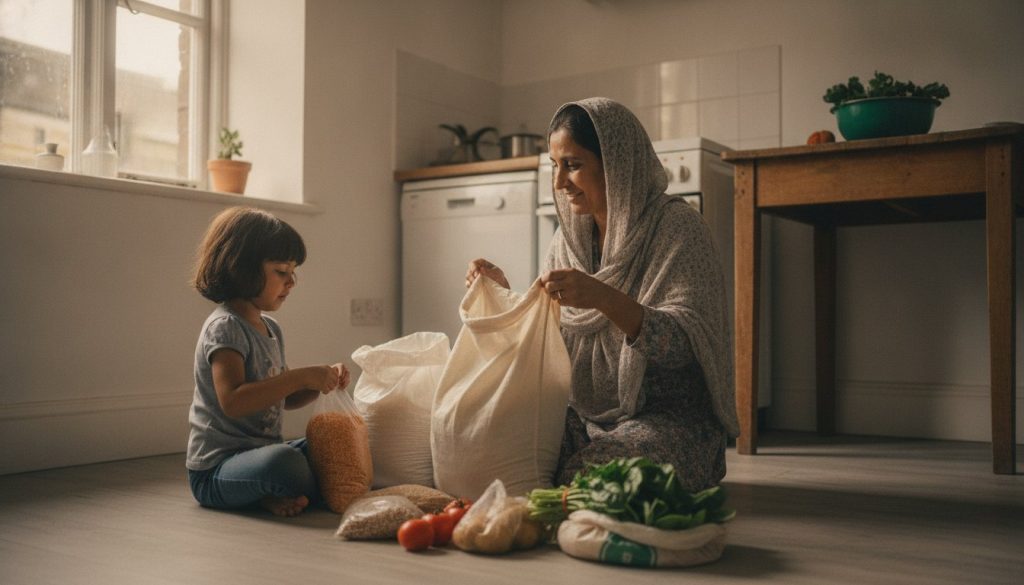
For families who have fled persecution and conflict, the journey to safety in the United Kingdom is often fraught with uncertainty. Upon arrival, the challenges shift from immediate survival to the complex process of rebuilding a life. Central to this restoration is a fundamental human need: access to consistent, nutritious, and culturally familiar food. Yet, for many refugees, this basic necessity remains a significant hurdle, creating a quiet crisis of food insecurity within British communities.
A dedicated refugee food appeal in the UK is more than a charitable act; it is a foundational investment in human dignity and potential. It provides the stability required for parents to attend language classes, for children to concentrate at school, and for families to begin the long process of integration. This is not merely about distributing calories; it is about nourishing hope, preserving cultural identity, and empowering displaced people to reclaim their agency. By understanding the unique nutritional and social challenges faced by refugees, we can move beyond simple aid to foster genuine, long-term resilience.
Understanding the Challenge of Food Insecurity Amongst Refugees in the UK
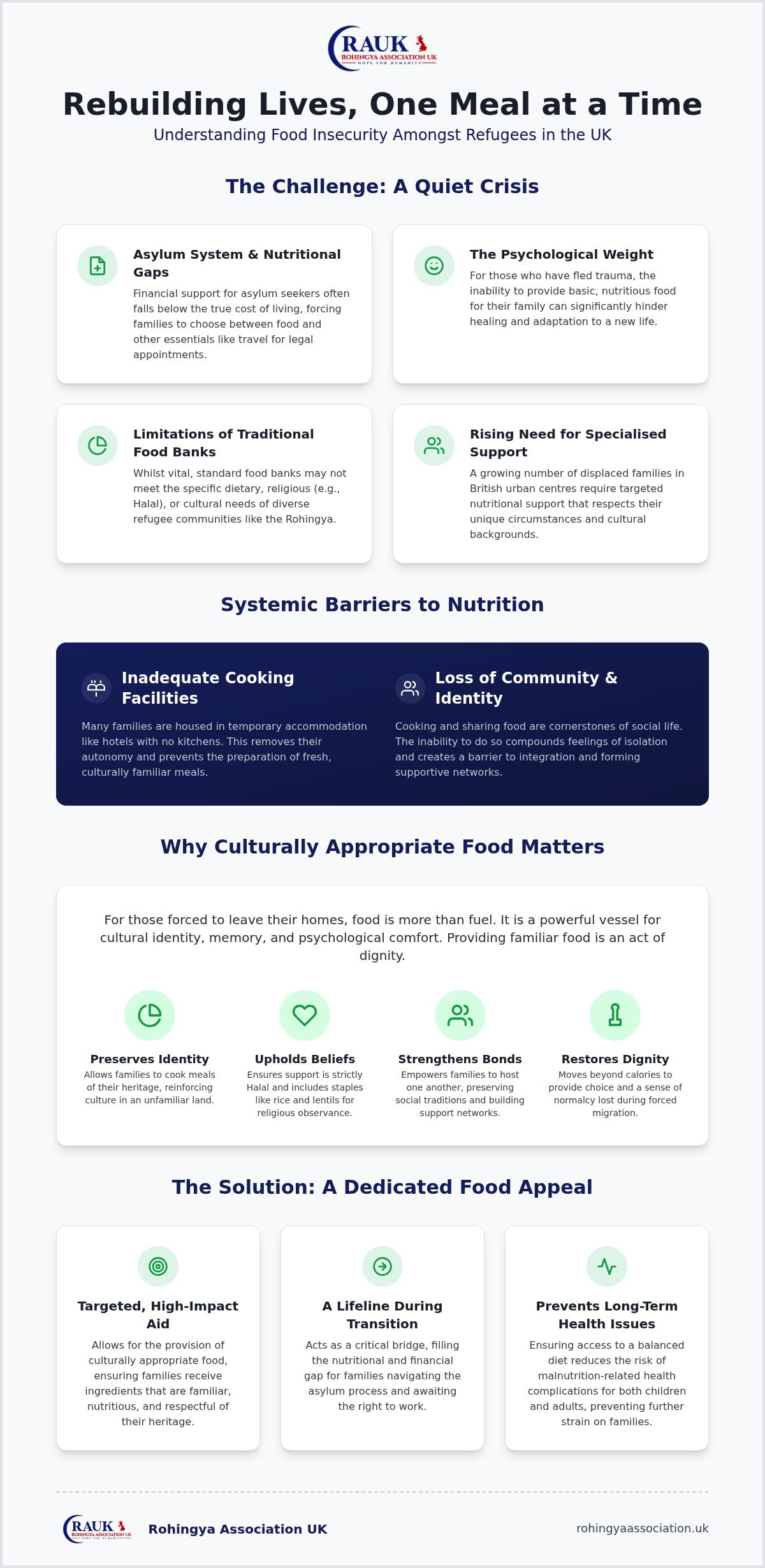
Food insecurity for refugees in the UK is a complex issue, distinct from general poverty. It is deeply intertwined with the legal and administrative realities of the asylum system. For many families arriving in 2026, the period of waiting for a decision on their status is marked by severe financial restrictions, preventing them from working and limiting their access to mainstream support systems. This creates a precarious situation where providing regular, healthy meals becomes a source of profound stress.
- The Asylum System and Nutritional Gaps: The financial support provided to asylum seekers often falls short of the true cost of living, particularly for families with children. This forces difficult choices between essentials like travel to legal appointments, clothing, and food.
- The Psychological Weight of Food Scarcity: For individuals who have already endured immense trauma, the inability to provide for their family’s basic needs can have a significant psychological impact, hindering their ability to heal and adapt to a new environment.
- Limitations of Traditional Food Banks: Whilst traditional food banks are a vital lifeline for many, they may not always be equipped to meet the specific dietary, religious (e.g., Halal), and cultural needs of diverse refugee communities like the Rohingya.
- Rising Need for Specialised Support: Statistics indicate a growing number of displaced families in urban centres across Britain require targeted nutritional support that acknowledges their unique circumstances and cultural backgrounds.
The Systemic Barriers to Refugee Nutrition in British Cities
The struggle for food security is often invisible, taking place within the confines of temporary accommodation and dispersed housing. Many newly arrived refugee families are placed in hotels or hostels without adequate, or any, cooking facilities. This reliance on pre-prepared meals or limited options removes their autonomy and makes it impossible to prepare the traditional dishes that provide comfort and a sense of normalcy.
This challenge is not simply about sustenance; it is about community. The act of cooking and sharing food is a cornerstone of social life and cultural preservation. When families are unable to do this, it creates a barrier to forming connections and integrating into the wider community, compounding feelings of isolation. A dedicated refugee food appeal addresses this by providing not just ingredients, but pathways to choice and community engagement.
Why a Dedicated Refugee Food Appeal is Essential
A specialised refugee food appeal UK programme serves as a critical bridge. It fills the nutritional and financial gap for families navigating the complexities of the asylum process, providing a consistent source of support while they await work permits or a final decision on their status. This intervention is crucial for several reasons:
- Targeted, High-Impact Aid: It allows for the provision of culturally appropriate food, ensuring families receive ingredients that are both familiar and nutritious, respecting their heritage and dietary requirements.
- A Lifeline During Transition: For many, this support is the only thing standing between them and severe hardship, offering stability during the most vulnerable phase of their resettlement journey.
- Preventing Long-Term Health Issues: Ensuring children and adults have access to a balanced diet is a preventative measure, reducing the risk of malnutrition-related health complications that can place further strain on families and public services.
The Vital Role of Culturally Appropriate Nutrition in Refugee Welfare
Food is never just fuel. For those forced to leave their homes, it becomes a powerful vessel for cultural identity, memory, and psychological comfort. The aroma of a familiar spice or the taste of a traditional meal can transport a person back to a time of safety and belonging, offering a moment of respite from the trauma of displacement. Recognising this is fundamental to providing aid that is not just effective, but also dignified.
- Preserving Identity and Comfort: Providing access to familiar ingredients allows families to cook the meals of their heritage, reinforcing their cultural identity in a new and unfamiliar land.
- The Importance of Halal and Traditional Staples: For communities like the Rohingya, ensuring all food support is strictly Halal and includes staples like rice, lentils, and specific spices is a matter of religious observance and deep cultural significance.
- Strengthening Community Bonds: Shared meals are the bedrock of community. Facilitating access to the right ingredients empowers families to host one another, preserving social traditions and building supportive networks.
- Moving Beyond Calories to Dignity: The goal is to provide balanced, nutritious meals that people genuinely want to eat, restoring a sense of choice and normalcy that is often lost during forced migration.
Nourishing the Spirit: Food and Cultural Heritage
The Rohingya Association UK (RAUK) understands that a food appeal must nourish the spirit as well as the body. By working with community partners and implementing flexible support systems, we help families access the ingredients central to Rohingya cuisine. This seemingly simple act has a profound impact, reducing the stress of resettlement and validating their cultural heritage.
Furthermore, initiatives like community kitchens, supported by our appeals, create spaces where refugees can cook together, share recipes, and socialise. These events are powerful tools for fostering social inclusion, combating loneliness, and empowering individuals to share their skills and traditions with their new neighbours in the UK.
Meeting Religious and Dietary Requirements with Respect
Dignity in aid means respecting a person’s core beliefs and needs. For the Muslim communities we support, this includes an unwavering commitment to Halal standards in all food provision. Through our partnerships and programmes, we ensure that every family can be confident that the food they receive aligns with their faith.
Our approach also considers the specific nutritional deficiencies that can affect those who have spent time in refugee camps. By working with community health partners, we can better understand these needs and ensure our support contributes to long-term health and well-being. At its core, our refugee food appeal in the UK is designed to ensure that every family is treated with the respect and consideration they deserve.
Evaluating the Impact: Immediate Crisis Intervention vs Sustainable Support
An effective food appeal must balance immediate, life-sustaining relief with a long-term vision for empowerment and self-sufficiency. While emergency food parcels can be vital in a crisis, a sustainable strategy focuses on creating systems that build resilience. This involves comparing the outcomes of different aid models and understanding how food security acts as a catalyst for broader success in resettlement.
- One-Off Donations vs. Sustained Support: While every donation helps, recurring monthly support allows for better planning and the development of more sustainable programmes, such as community voucher schemes and partnerships with local suppliers.
- Food Security as a Prerequisite for Empowerment: A family free from the constant worry of where their next meal will come from is a family that can engage with education, skills development, and community life.
- The Efficiency of Community-Led Models: RAUK’s community-led approach ensures that aid is efficient, culturally informed, and directly responsive to the evolving needs of the people we serve.
- Linking Nutrition to Broader Outcomes: We analyse how stable access to nutritious food positively impacts everything from children’s educational attainment to adults’ ability to access healthcare and vocational training. You can learn more about our holistic approach in our guide on how charities help refugees resettle.
Food as the Foundation for Integration
A child cannot learn on an empty stomach. A parent cannot focus on learning English if they are consumed by anxiety about feeding their children. This is why we see food security as the essential first step on the path to successful integration. By alleviating this primary stress, our food appeal unlocks the potential of the families we support.
When nutritional needs are met, parents are better able to engage with services that will help them build their new lives, from language classes to guidance on housing and healthcare. In this way, a food appeal becomes a gateway, connecting families to a wider network of support and enabling them to move from surviving to thriving.
Long-term Resilience Through Consistent Aid
The journey towards stability requires more than just emergency relief. RAUK is committed to building programmes that foster long-term resilience. This means moving beyond the ’emergency parcel’ model towards more empowering systems. In the UK, this includes partnering with established networks like the FoodSavers Network and implementing initiatives such as the Nourishing Community Voucher Scheme.
These approaches provide families with the dignity of choice, allowing them to purchase fresh, culturally appropriate food from local shops. This not only supports the families themselves but also benefits the local economy, creating a virtuous cycle of community support. We measure the success of our appeals not just in meals delivered, but in the improved health, well-being, and integration of the communities we serve.
How to Support a Refugee Food Appeal Effectively in 2026
Supporting a refugee food appeal in the UK can take many forms, and understanding the most effective ways to give ensures your contribution has the greatest possible impact. Whether through financial donations, faithful giving, or volunteering your time, your support can provide a vital lifeline to families rebuilding their lives.
- Financial Donations vs. Physical Food Drives: While the instinct to donate physical food items is generous, financial contributions are often more effective. They allow charities to purchase food in bulk at lower costs, fund flexible voucher schemes, and respond swiftly to the specific needs of the community without incurring storage and transport costs.
- The Power of Zakat and Sadaqah: For those in the Muslim community, giving Zakat or Sadaqah to a food security project is a powerful way to fulfil a religious duty while directly supporting some of the most vulnerable.
- Organising Community Fundraising: Mobilising your local community, workplace, or place of worship to raise funds can amplify your impact and raise crucial awareness about the challenges refugees face in the UK.
- Choosing a Transparent Charity: It is essential to support organisations with a proven track record, clear accountability, and a deep connection to the communities they serve.
Maximising the Impact of Your Faithful Giving
For many of our supporters, giving is an act of faith. Zakat and Sadaqah are pillars of Islamic charity, and directing them towards a refugee food appeal is a profound act of solidarity. When you give your Zakat to support UK refugees through RAUK, you can be confident that it is being used to provide essential, dignified support to eligible individuals and families.
Sadaqah Jariyah (ongoing charity) can also be achieved by supporting the infrastructure of our food programmes. Contributions towards sustainable initiatives like community gardens or voucher schemes create a lasting benefit that continues to empower families long into the future, fulfilling your religious duties while creating a legacy of hope.
Getting Involved Beyond Financial Contributions
Your support is not limited to donations. Raising your voice and giving your time are equally valuable contributions. You can volunteer with local refugee support groups, help organise community events, or use your social media presence to share information and advocate for the rights of refugees.
Advocacy is a crucial part of creating long-term change. By calling for better nutritional standards in asylum accommodation and greater support for refugee integration, you can help address the root causes of food insecurity. Your engagement helps build a more welcoming and supportive society for all.
Restoring Dignity Through the Rohingya Association UK Food Appeal
The Rohingya Association UK (RAUK) is uniquely positioned to address the needs of displaced families. As a charity led by the Rohingya community for the Rohingya community, we possess an intrinsic understanding of the cultural, social, and emotional needs of the people we support. This allows us to deliver aid that is not just effective, but also deeply respectful and affirming.
- A Community-Led Advantage: Our work is informed by lived experience, ensuring our programmes are built on a foundation of trust, empathy, and authentic cultural understanding.
- A Dual Focus: Local and Global: We manage a sophisticated network of support that addresses the needs of newly arrived families in Bradford and other UK cities, whilst also delivering life-saving aid in places like Cox’s Bazar, Bangladesh.
- Transparency and Accountability: We are committed to showing our donors exactly where their money goes and the tangible difference it makes in people’s lives.
- A Vision for Self-Sufficiency: Our ultimate goal for 2026 and beyond is to empower families to move from requiring aid to achieving full self-sufficiency and becoming active, contributing members of British society.
Local Impact: Supporting Families in Bradford and the UK
In the UK, our approach is built on collaboration and empowerment. Rather than operating in isolation, RAUK has established strong partnerships with local food banks and community initiatives. We are an active participant in broader support networks, including the Nourishing Community Voucher Scheme and the FoodSavers Network.
This partnership model allows us to provide flexible, dignified support. It gives families the autonomy to choose their own food, ensuring it meets their cultural and dietary preferences. It also connects them with wider community resources, fostering a sense of belonging and integration. This strategic support is a key part of our work helping refugees in Bradford and beyond. For more information, explore our guide on how to support refugees in Bradford.
Global Reach: Cox’s Bazar and Myanmar
While our UK work focuses on integration and stability, our global outreach addresses acute humanitarian crises. In Cox’s Bazar, the world’s largest refugee camp, our teams work tirelessly to deliver life-saving nutrition to hundreds of thousands of people who remain dependent on aid for survival. Our deep community ties enable us to navigate complex logistical challenges and ensure aid reaches those who need it most, particularly vulnerable women and children.
This dual local-global focus allows our supporters to have a comprehensive impact. Your contribution to our refugee food appeal UK not only helps a family integrate in Britain but also sustains a family facing starvation in a refugee camp. It is a single act of generosity with a powerful, worldwide reach, which you can learn more about in our guide to Rohingya food support and community resilience.