

If you are asking what is zakat, it is one of the five pillars of Islam: an obligatory payment on qualifying wealth. It is commonly calculated at 2.5% of wealth held for a full lunar year, provided it is above the nisab, the minimum threshold. This guide explains who may need to pay, what wealth can count, who may receive zakat and what to consider when supporting refugees.
Zakat rules can vary in detail, and personal circumstances matter. This article offers a general introduction, not a religious ruling. For advice about your own obligations, speak to a qualified scholar.
Key takeaways
- Zakat is one of the five pillars of Islam: an obligatory payment on qualifying wealth, commonly understood as 2.5% of wealth held for a full lunar year above the nisab threshold.
- Nisab is a minimum wealth threshold traditionally based on the value of gold or silver. Check a current figure rather than relying on an old one.
- The Qur’an names eight categories of eligible recipients, including the poor, people in debt and travellers in need.
- Many scholars regard refugees as potentially eligible under the poor, needy or wayfarer categories. Seek guidance on your own situation.
Table of Contents
- What is zakat? Meaning and role in Islam
- Zakat rules: who pays and when?
- Zakat on savings: what counts and how to calculate
- Who can receive zakat? The eight categories
- Zakat for refugees and choosing where to give
- Frequently Asked Questions
What is zakat? Meaning and role in Islam
Zakat is one of the five pillars of Islam and is commonly understood as an obligatory act of worship involving the giving of a set portion of qualifying wealth. The word zakat is often explained in relation to purification and growth. It is not the same as a general charitable gift: it has specific conditions and recipient categories.
The usual rate for many forms of qualifying wealth is 2.5% after it has been held for a lunar year and is above the nisab. A lunar year is shorter than a solar year. Some assets and situations have different or more detailed rules, so the 2.5% calculation is a starting point rather than a complete ruling for every person.
Zakat is distinct from sadaqah. Zakat is obligatory when its conditions are met. Sadaqah is voluntary giving and can be offered in any amount, at any time.
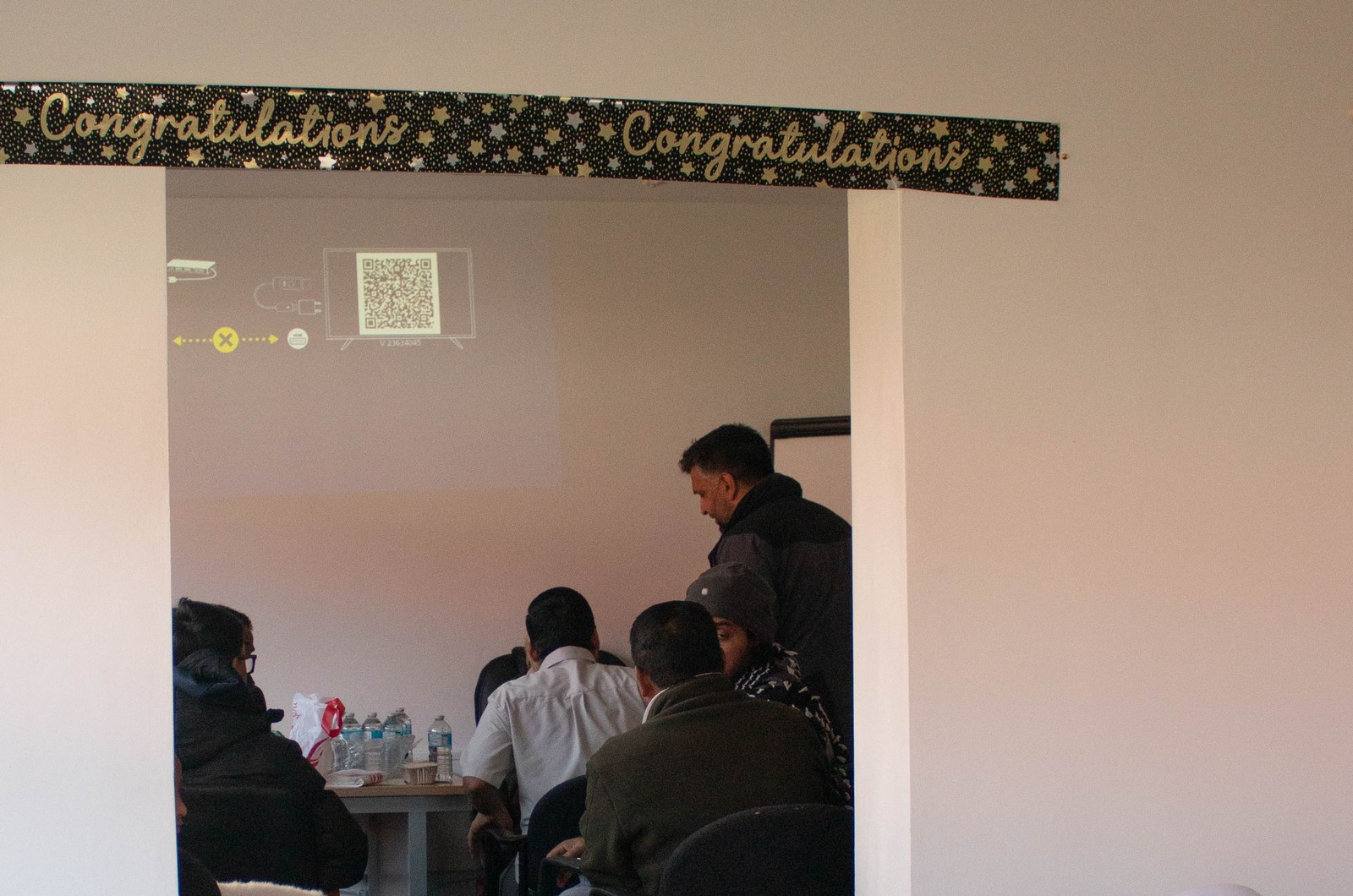
An adult session in Bradford, photographed from behind
Zakat rules: who pays and when?
A common explanation is that zakat is due from an adult Muslim whose qualifying wealth is at or above the nisab and has remained so for a full lunar year. The exact application can depend on a person’s circumstances and on the scholarly guidance they follow.
Nisab is the minimum threshold of wealth. It is traditionally calculated using the value of gold or silver. Because those prices change, there is no fixed sterling figure that will stay accurate. Check a current nisab figure with a qualified scholar or a reputable zakat calculator, and make sure you know whether it uses the gold or silver measure.
Many Muslims choose a consistent date in the lunar calendar to review their zakat each year. Some choose to pay during Ramadan, but the timing of an individual obligation should be checked against their own circumstances and guidance.
Zakat on savings: what counts and how to calculate
Zakat may apply to savings and other qualifying wealth. Common examples include cash, money in bank accounts, gold and silver, business assets and some investments. Detailed rules can differ for particular assets, including shares, property held for investment, pensions and money owed to you. Seek qualified advice if these form part of your finances.
A simple way to understand the usual calculation is:
- Work out the value of your qualifying wealth.
- Check it against the current nisab and consider any relevant deductions under the guidance you follow.
- If zakat is due, calculate 2.5% of the amount that qualifies.
For example, 2.5% of £1,000 is £25. This is only a basic illustration, not an assessment of what any particular person owes. For a personal calculation, use a reputable calculator and ask a qualified scholar about anything unclear.
Keep a record of the figures and method used. If giving to a UK charity, you may also be able to use Gift Aid if you are eligible and the charity is registered to claim it. Check the charity’s Gift Aid arrangements before making a declaration.
Who can receive zakat? The eight categories
The Qur’an names eight categories for zakat recipients in Surah At-Tawbah 9:60. In plain terms, these are:
- The poor.
- The needy.
- People employed to administer zakat.
- Those whose hearts are to be reconciled.
- To free captives.
- People in debt.
- In the cause of Allah.
- The wayfarer or traveller.
The verse provides the categories; applying them to particular people, projects or circumstances can require scholarly guidance. Donors who want their zakat to support a specific kind of work should check that the intended use fits their understanding and seek advice where needed.
Zakat for refugees and choosing where to give
Refugees are not named as a separate category in the verse. However, many scholars regard refugees and displaced people as potentially eligible under categories such as the poor, the needy and the wayfarer, where their circumstances meet the relevant conditions. Eligibility depends on the situation and the guidance followed; this article does not issue a ruling.
Zakat is not a general charitable gift. It is an obligation with conditions, and it belongs to specific people named in the Qur’an.
If you are considering zakat for refugees, ask the charity how the funds would be used and whether its projects can match your intention. If you are unsure whether a particular form of support qualifies, speak to a qualified scholar before giving.
Rohingya Association UK and your giving
Rohingya Association UK is a community-led charity based in Bradford. Its work includes Community Support & Integration, Education & Youth Empowerment, Cultural & Community Events, Advocacy & Awareness, and Crisis Intervention. In Bradford, it also offers support including energy advice and mental health and wellbeing support. Its refugee sponsorship schemes include Named Sponsorship and Education and Employment Sponsorship.
Learn more about Rohingya Association UK and its projects. The charity can discuss its work and which projects may suit a donor’s intention, but it does not provide religious rulings or make a blanket claim that its projects are zakat-eligible. To discuss your intended gift, contact the charity. For other ways to support its work, visit the donation page.
Frequently Asked Questions
What does zakat mean in Islam?
Zakat is an obligatory act of worship and one of the five pillars of Islam. The term is often explained in relation to purification and growth, and the payment is subject to specific conditions and rules.
How much zakat do I pay on savings?
The commonly understood rate on qualifying wealth is 2.5% when the relevant conditions are met, including the nisab threshold and a lunar year. The exact calculation depends on what assets and deductions apply, so check a reputable calculator and seek scholarly guidance for your own situation.
Can zakat be given to refugees?
Many scholars regard refugees and displaced people as potentially eligible if their circumstances fit categories such as the poor, the needy or the wayfarer. Whether a particular person or project qualifies can depend on the details, so ask a qualified scholar for advice.
When should I pay zakat in the UK?
Many people use a consistent date in the lunar calendar to review their zakat each year. Some choose to pay during Ramadan, but ask a qualified scholar how the timing applies to your own circumstances.
Pay what you owe with care and intention. For a ruling on your personal obligations, speak to a qualified scholar; to discuss Rohingya Association UK’s work and possible giving options, contact the charity.