
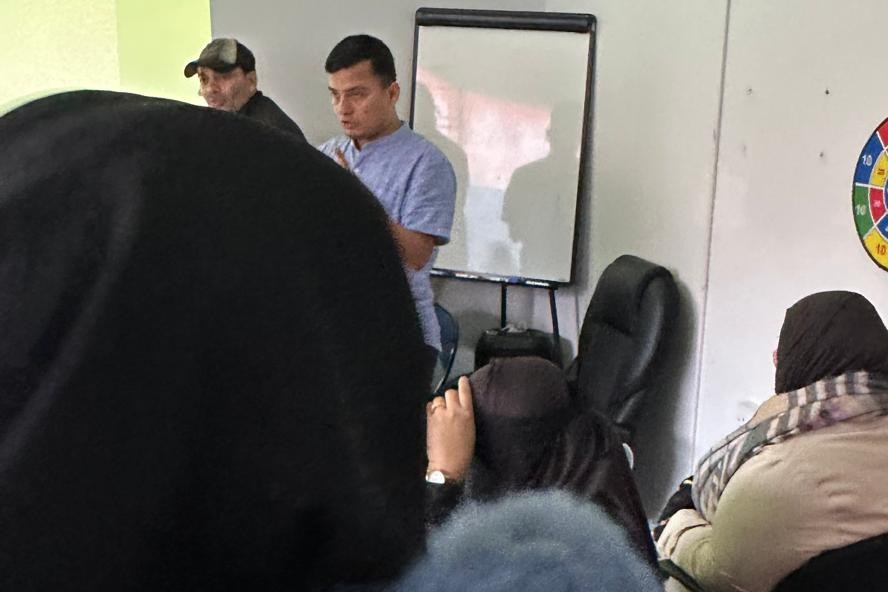
Refugee sponsorship UK gives community groups a formal way to help refugees settle into life in Britain. Under the proposed UK Named Community Sponsorship scheme, a group identifies someone it hopes to sponsor and works through a Lead Sponsor Organisation, which submits the case to the Home Office. Refugees cannot apply directly. Sponsors commit to a year of practical support and two years of housing responsibility.
This guide explains how the pathway works, what a group needs to plan for, and where to find current guidance. Rohingya Association UK (RAUK) is also raising funds for the practical side of welcoming a Rohingya family. People who are not ready to form a sponsor group can support this new appeal instead.
Key Takeaways
- The proposed UK Named Community Sponsorship scheme is an emerging pathway, separate from the existing Community Sponsorship Scheme.
- A community group identifies someone it wishes to sponsor and works with a Lead Sponsor Organisation on the Home Office process.
- Sponsor groups provide practical support for one year and take responsibility for suitable housing for two years.
- There is no cost estimate in this guide; groups should check current Home Office requirements and assess their own financial capacity.
- RAUK’s new appeal supports practical welcome preparations; donating does not make a group a formal sponsor.
Table of Contents
- What refugee sponsorship UK means
- How community sponsorship UK works
- What a sponsor group commits to
- Costs, capacity and ways to help
- Rohingya Association UK and community support
- Frequently Asked Questions
What refugee sponsorship UK means
Community sponsorship is a practical commitment by local people to welcome and support a refugee or family as they settle into a new community. It involves much more than fundraising or an arrival-day welcome. A group needs people, time, suitable accommodation and a plan for ongoing support.
The proposed UK Named Community Sponsorship scheme is a new and developing route. Home Office applications for organisations seeking to become Lead Sponsors opened on 29 October 2026. The route is separate from the existing UK Community Sponsorship Scheme, so groups should check which guidance applies to the pathway they are considering.
A Lead Sponsor is a charity or community interest company accredited to work with community groups, universities or employers. It acts as a link with the Home Office, supports sponsors, submits visa applications and monitors whether arrangements are safe and meeting requirements. A sponsorship arrangement does not itself guarantee that someone will be granted permission to come to the UK.
For an overview of RAUK’s work on this developing pathway, see the proposed Refugee Named Sponsorship Scheme.
How community sponsorship UK works
The process combines a community’s offer of support with formal Home Office checks. People cannot apply directly to the proposed named route as refugees. Community groups, employers or universities identify someone they wish to support, or work with a Lead Sponsor Organisation to identify a suitable person. The Lead Sponsor helps submit the case for Home Office consideration.

At a high level, the steps are:
- Explore readiness. Bring together people who can share the work. Discuss accommodation, practical support, safeguarding and the group’s financial capacity.
- Connect with a Lead Sponsor Organisation. Check how the organisation supports groups and what it requires before a sponsorship arrangement can proceed.
- Identify the person or family. Work through the route’s eligibility requirements and the Lead Sponsor’s process. Refugees do not submit applications directly.
- Prepare the support and housing plan. Agree who will do what, how the accommodation will be provided and how support can continue over time.
- Follow the Home Office process. The Lead Sponsor submits the visa application and remains involved in oversight. The Home Office considers the case and applies relevant eligibility and suitability checks.
The Home Office’s guidance for prospective Lead Sponsors and its policy guidance on refugee sponsorship routes explain the developing framework. Requirements can change, so groups should refer to current official guidance before making plans or commitments.
What a sponsor group commits to
A sponsor group’s formal support commitment lasts one year. Its responsibility for housing lasts two years. These are separate commitments: the group needs a plan for practical support during the first year and sustainable accommodation over the longer housing period.
Support is shaped by the family’s circumstances and the route’s requirements. It may involve helping people understand local services, find their way around the area and access healthcare, education and English-language learning. The aim is to support people as they make their own choices and build independence, not to make decisions for them.
A group will need to organise practical responsibilities such as:
- arranging suitable accommodation and planning for its ongoing availability;
- coordinating a welcome and helping with local orientation;
- supporting access to local services, education and language learning;
- sharing tasks across volunteers and agreeing how to communicate;
- following safeguarding, privacy and other requirements set by the Lead Sponsor.
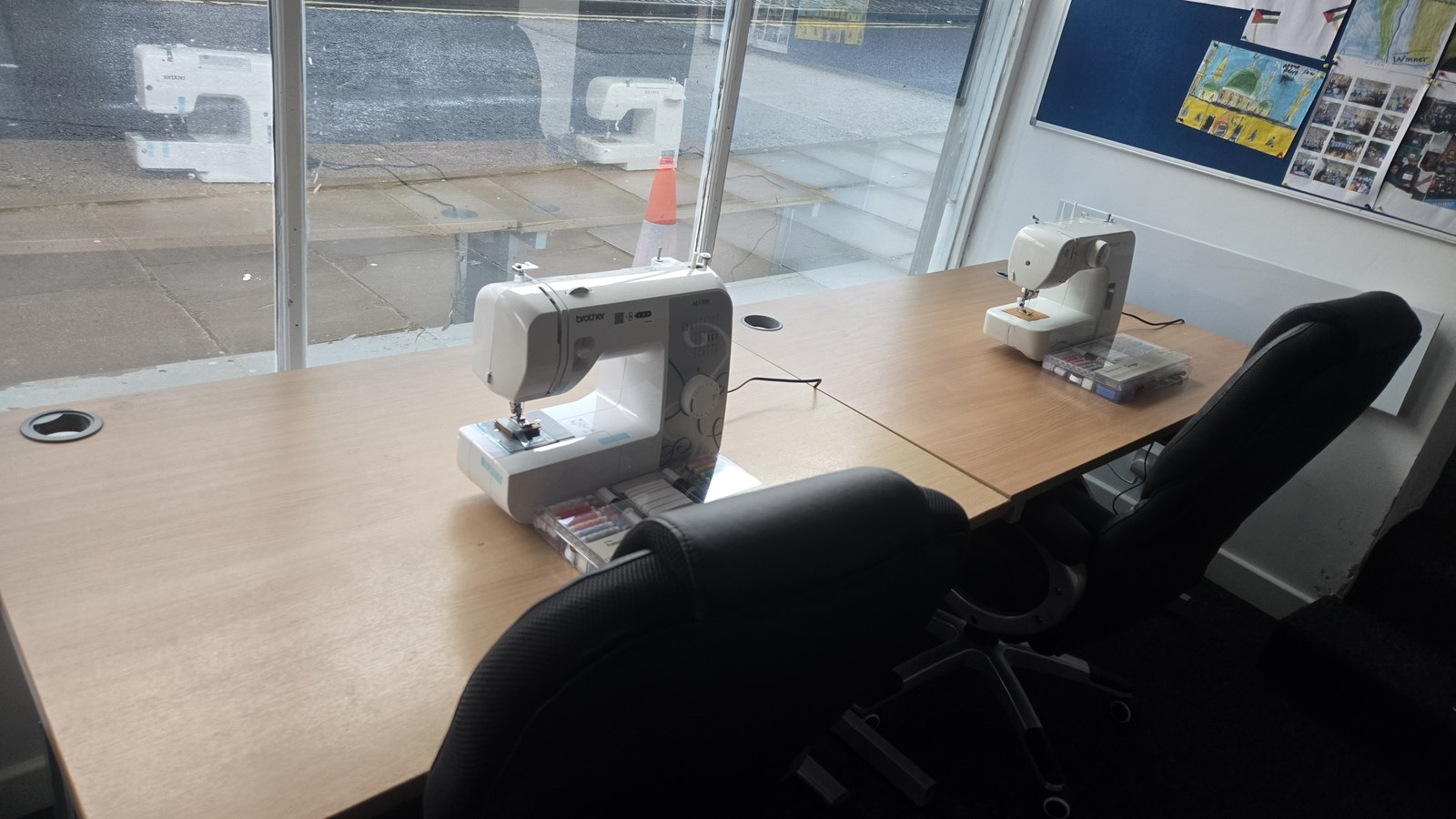
This requires dependable people and clear roles. A faith organisation might offer meeting space and volunteers, while a university or business could contribute professional skills or local connections. Each group should be realistic about what it can sustain and seek guidance from its Lead Sponsor before making promises.
Costs, capacity and ways to help
There is no single cost figure in this article because costs depend on the accommodation, local circumstances and the requirements of the route. Groups should not rely on an assumed fundraising target. Their financial capacity is assessed as part of planning, and current figures or requirements should be confirmed through the official sponsor guidance and the relevant Lead Sponsor Organisation.
A group can begin by mapping the resources it already has and the responsibilities it would need to cover. Consider housing, household set-up, transport and the practical support needed during settlement. Separate confirmed resources from hoped-for donations, and agree who will manage budgets and records.
Not every supporter is ready to take on a sponsorship commitment. For people who want to help with the practical side of welcoming a Rohingya family, RAUK has launched a new GoFundMe appeal. The appeal describes support such as household essentials, settling into a home, access to local services and interpretation. It is a new campaign, and no fundraising or impact total is claimed here.
A donation to the appeal is a way to support practical preparations. It is not the same as forming a sponsor group, and it does not guarantee a family’s arrival or a particular outcome. Supporters can also visit RAUK’s donation page to learn about other ways to contribute.
Rohingya Association UK and community support
Rohingya Association UK is a Bradford-based, Rohingya-led and community-led charity, registered in England and Wales as charity number 1211433. Its work includes Community Support & Integration, Education & Youth Empowerment, Cultural & Community Events, Advocacy & Awareness, and Crisis Intervention.
In Bradford, RAUK also provides local support including energy advice and support, and mental health and wellbeing support. Its UK-based projects include community support and integration activities.
RAUK shares information about refugee sponsorship schemes, including Named Sponsorship and Education and Employment Sponsorship. These schemes and the proposed named community route are subject to their own requirements and processes. Groups interested in sponsoring as a group can contact RAUK to discuss their interest and next steps. For background on the organisation, visit Rohingya Association UK.
Frequently Asked Questions
How does refugee sponsorship work in the UK?
Under the proposed UK Named Community Sponsorship scheme, a group identifies someone it wishes to sponsor and works with a Lead Sponsor Organisation. The Lead Sponsor submits the case to the Home Office and provides support and oversight. The Home Office makes decisions under the route’s requirements.
Can refugees apply directly to the UK Named Community Sponsorship scheme?
No. Refugees cannot apply directly through this pathway. A community group, employer or university identifies someone it wishes to sponsor, and the case proceeds through a Lead Sponsor Organisation and the Home Office.
How long does a sponsor group have to support a refugee family?
The group’s formal support commitment is one year, while responsibility for housing lasts two years. Groups should confirm current obligations with their Lead Sponsor and check the latest Home Office guidance before committing.
How much does it cost to sponsor a refugee family in the UK?
Costs depend on the circumstances and the route’s requirements, so this article does not give a fixed amount. A group’s financial capacity is assessed; it should check current official guidance and speak with a Lead Sponsor Organisation about the arrangements it is considering.
How can I help if I am not ready to form a sponsor group?
You can support RAUK’s new GoFundMe appeal, which is intended to contribute towards the practical side of welcoming a Rohingya family. You can also contact RAUK to ask about volunteering, fundraising or group sponsorship.