
About Rohingya
The Rohingya Community
Understanding the Rohingya Community
Glimpse into the History
Origins & Historical Background
The Rohingya Journey
Migration Patterns & Displacement
Rohingya Language and Culture
Language & Cultural Identity
Language
The Rohingya language (Ruáingga) is an Indo-Aryan language closely related to the Chittagonian dialect of Bengali but with distinct phonology and vocabulary. It has been written in several scripts — including Hanifi Rohingya (a Latin-based script), Arabic, and local adaptations — though much communication remains oral due to historical marginalization.
Traditions & Customs
Rohingya cultural traditions are deeply rooted in Islamic faith and community life, shaping daily practices, festivals like Eid, social values, and collective decision-making through traditional councils. Oral storytelling, poetry, and music are central to cultural transmission across generations.
Arts & Crafts
Rohingya arts express cultural identity through handwoven textiles, embroidery, pottery, and folk music. Clothing styles, such as longyi for men and embroidered scarves for women, reflect historical influences and artisanal heritage passed down through families and communities.
Cuisine
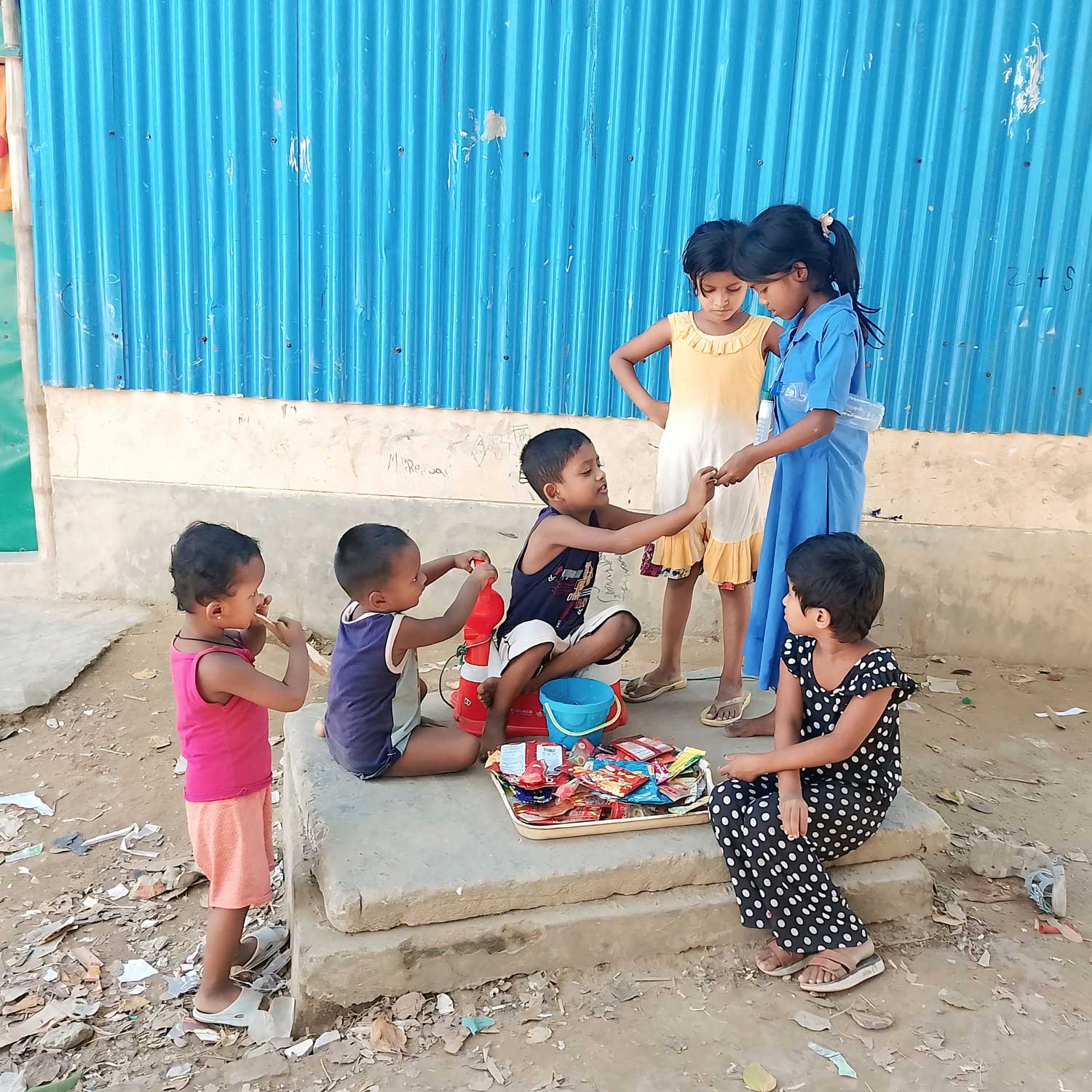
Rohingya cuisine blends South Asian and Middle Eastern flavors, featuring spiced rice dishes, fish curries, lentils, and traditional snacks. In refugee settings, preparing familiar foods serves as a reminder of home and continuity of heritage despite hardship.
Preserving the Rohingya Legacy
Heritage Preservation
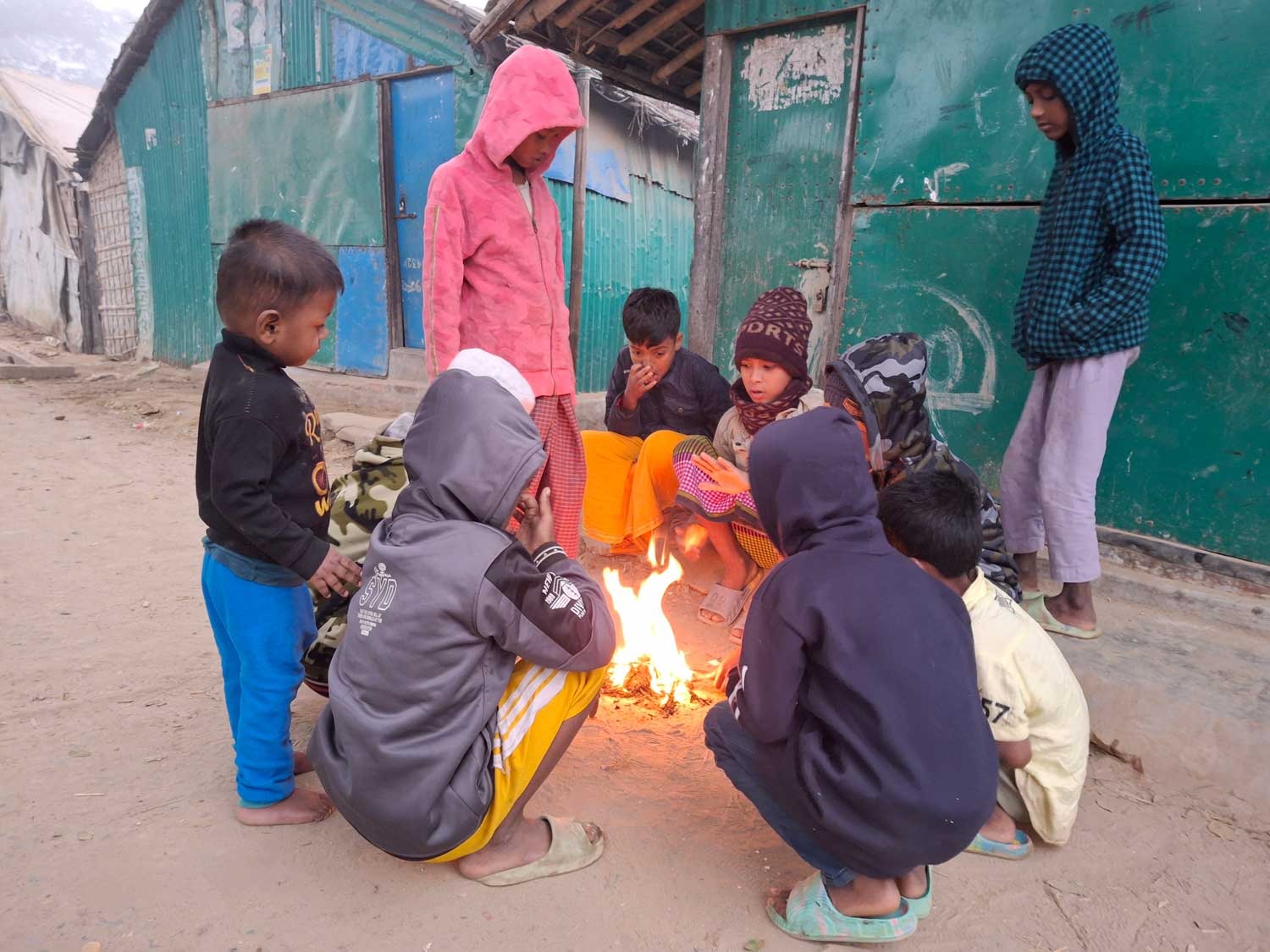
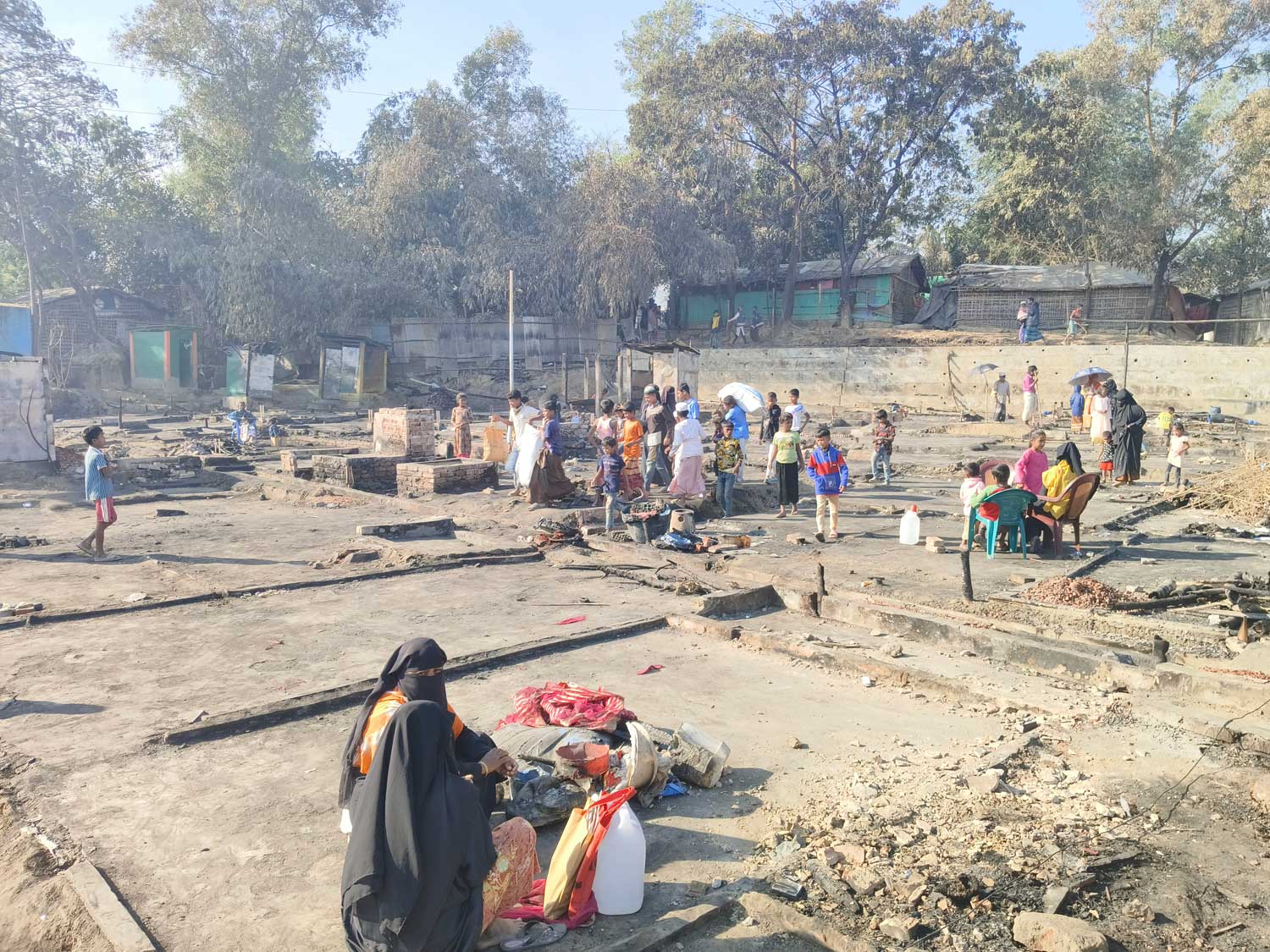
Over decades, waves of forced displacement have driven Rohingya out of their homeland. Major migratory movements occurred in 1978, the 1990s, 2012, and dramatically again in 2017, when Myanmar’s military crackdown led to more than 740,000 Rohingya fleeing to Bangladesh alone.
Today, Rohingya communities are found across Bangladesh, Malaysia, India, Thailand, Indonesia, Pakistan, Saudi Arabia, and Western countries, including the United Kingdom, where organisations like Rohingya Association UK work to support displaced families.
Rohingya Struggle and Strength
Challenges & Resilience
Statelessness & Persecution
Mental Health & Community Well-Being
Global Efforts
International Response
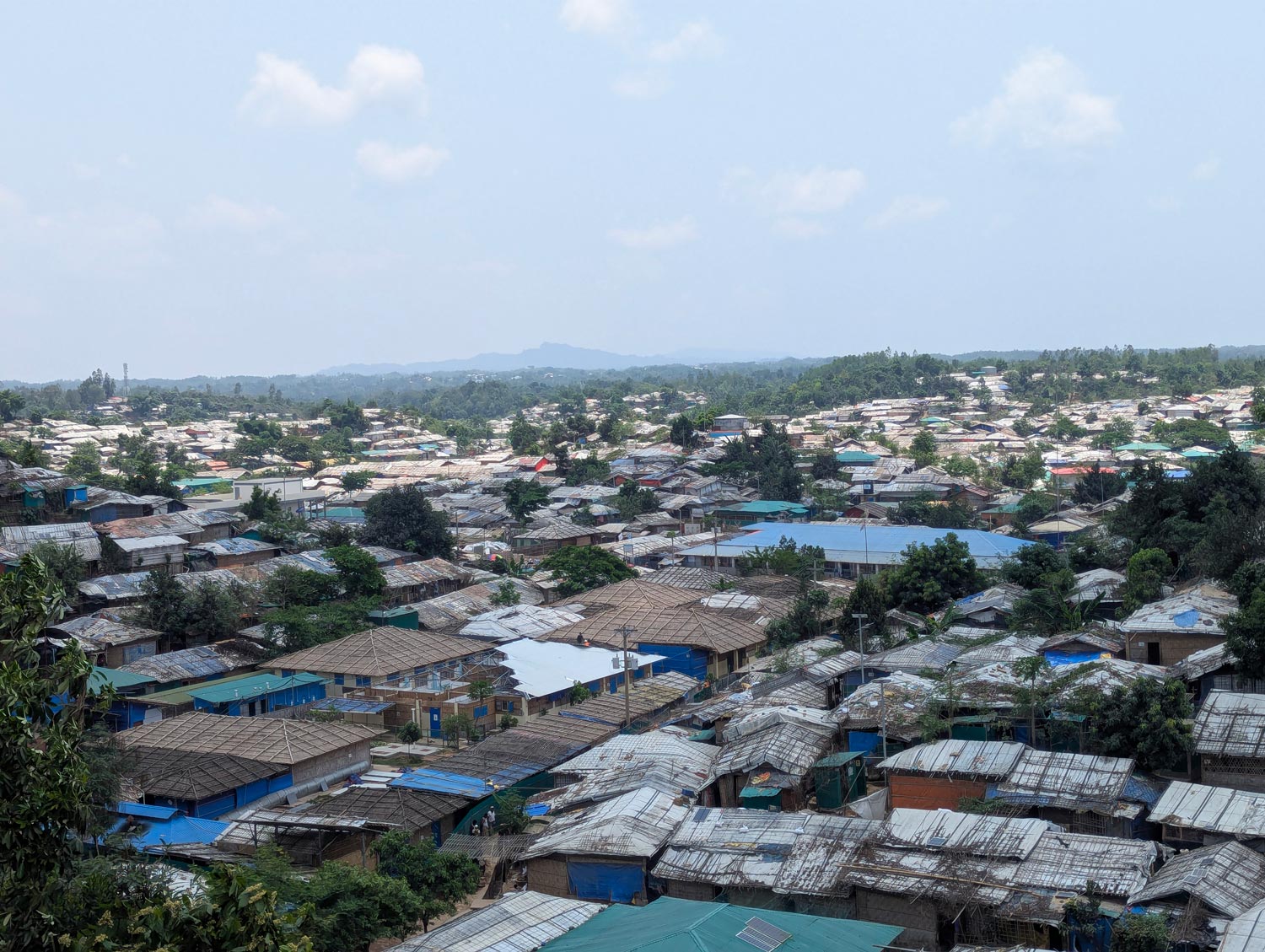
International organisations, governments, and humanitarian agencies have responded to the Rohingya crisis through emergency relief, refugee support programs, and advocacy efforts. For example, coordinated responses led by UN agencies and NGO partners aim to provide food, shelter, healthcare, and protection services in camps such as those in Bangladesh’s Cox’s Bazar.
Global mechanisms such as the International Criminal Court (ICC) investigations and International Court of Justice (ICJ) hearings underscore the international community’s ongoing engagement with justice and accountability for atrocities committed against the Rohingya. (Wikipedia)
Unity in Adversity
Community Strength & Resilience
Despite immense challenges, Rohingya communities demonstrate remarkable unity and resilience. Shared religious observances, communal social structures, informal education networks, and community-driven initiatives help sustain identity and support in exile. These collective bonds provide mechanisms for self-organization and empowerment — essential for navigating life in refugee settings and diaspora communities alike.
Identity of Rohingya
Preserving Identity for Future Generations
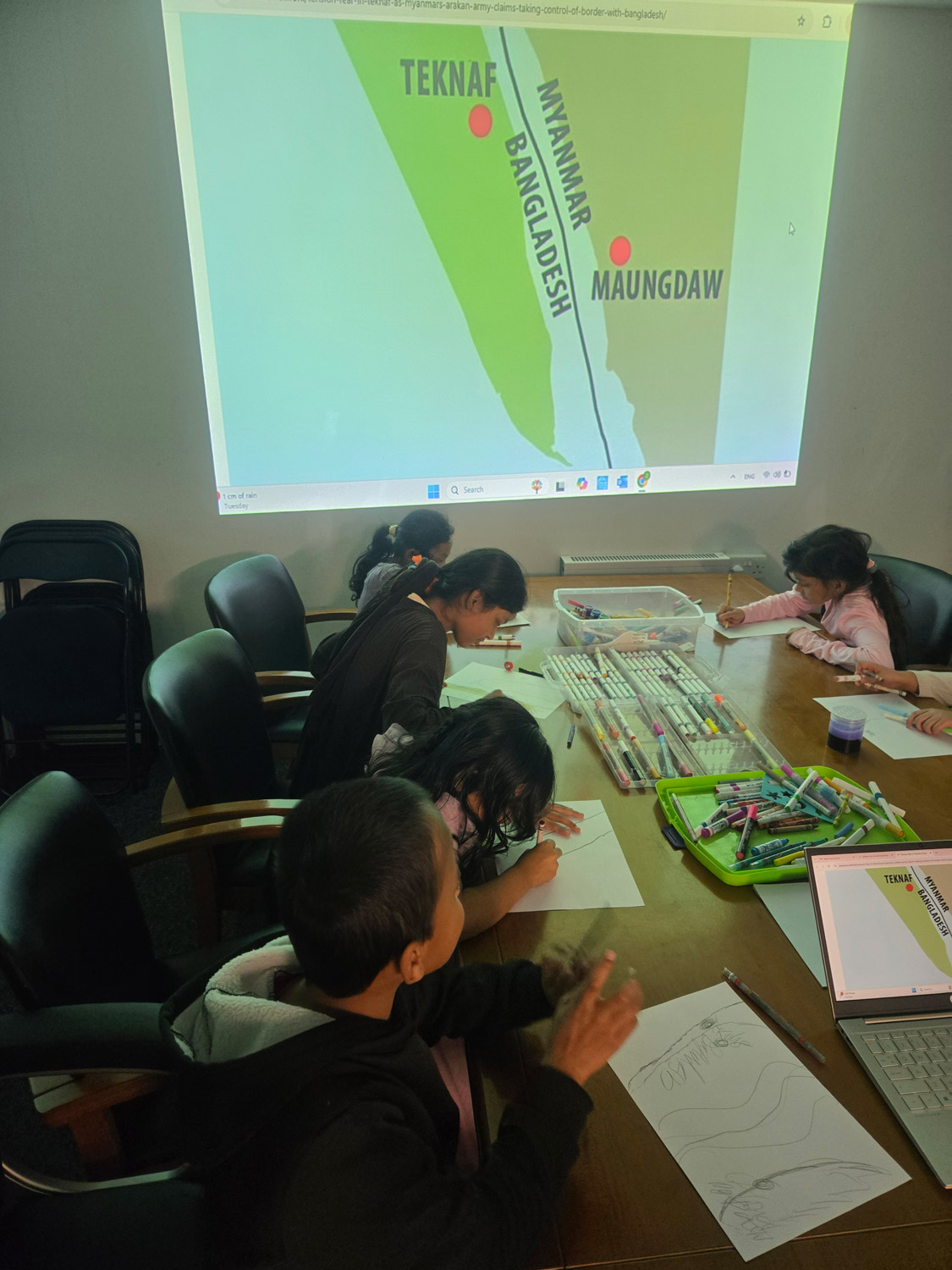
Preserving Rohingya identity is not only about culture and language; it is an affirmation of dignity, history, and human rights. Through storytelling, education, arts, community engagement, and global advocacy, Rohingya voices continue to assert their heritage and rightful place in the world.
Be Part Of The Movement
—Join Our Network
Get updates on our initiatives, upcoming activities, and ways to make a difference. Connect with us online or sign up for regular updates delivered to your inbox.